Meeting Topic: Apple’s Pages Word Processor

Feb 21, 2017 Meeting Topic Overview: Pages

by Jamie Cox

“Expect a lot from software and you’ll usually get �it.” � � � � � � � � �– Eric Newman, MacMAD President emeritus

In Feb 2017, the current version of Pages for Mac is 6.0.5. For iOS it is version 3.0.5.�

There are three ways to run Pages:

  • On the Macintosh
  • On an iPhone or iPad
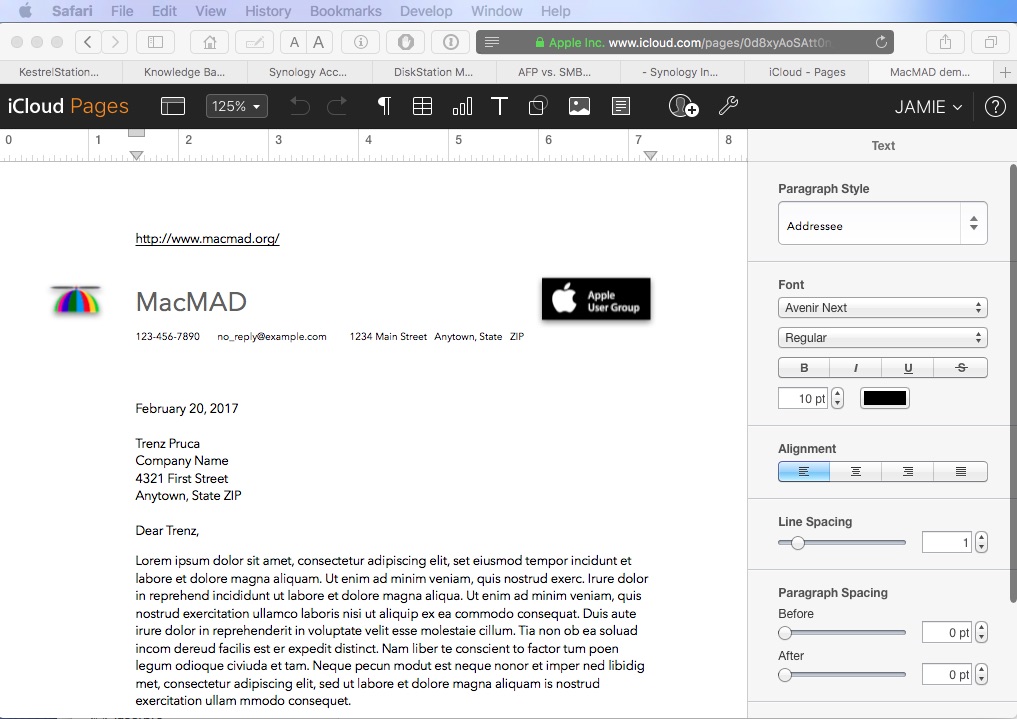
  • From a Web Browser on iCloud

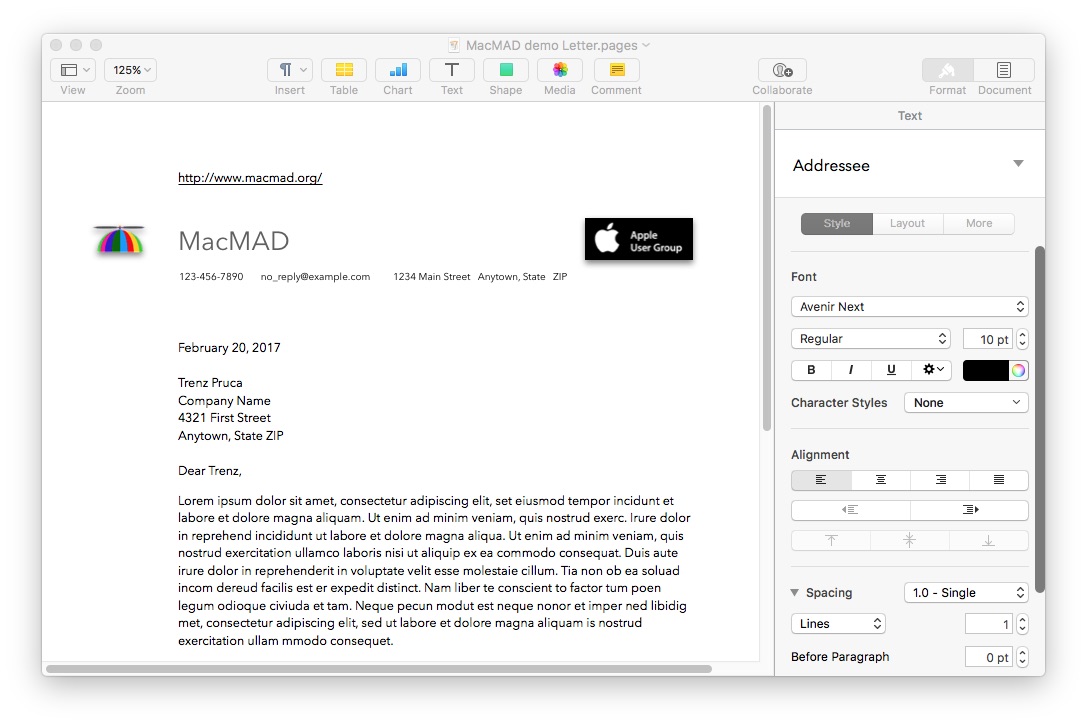
�Pages Running on the Mac
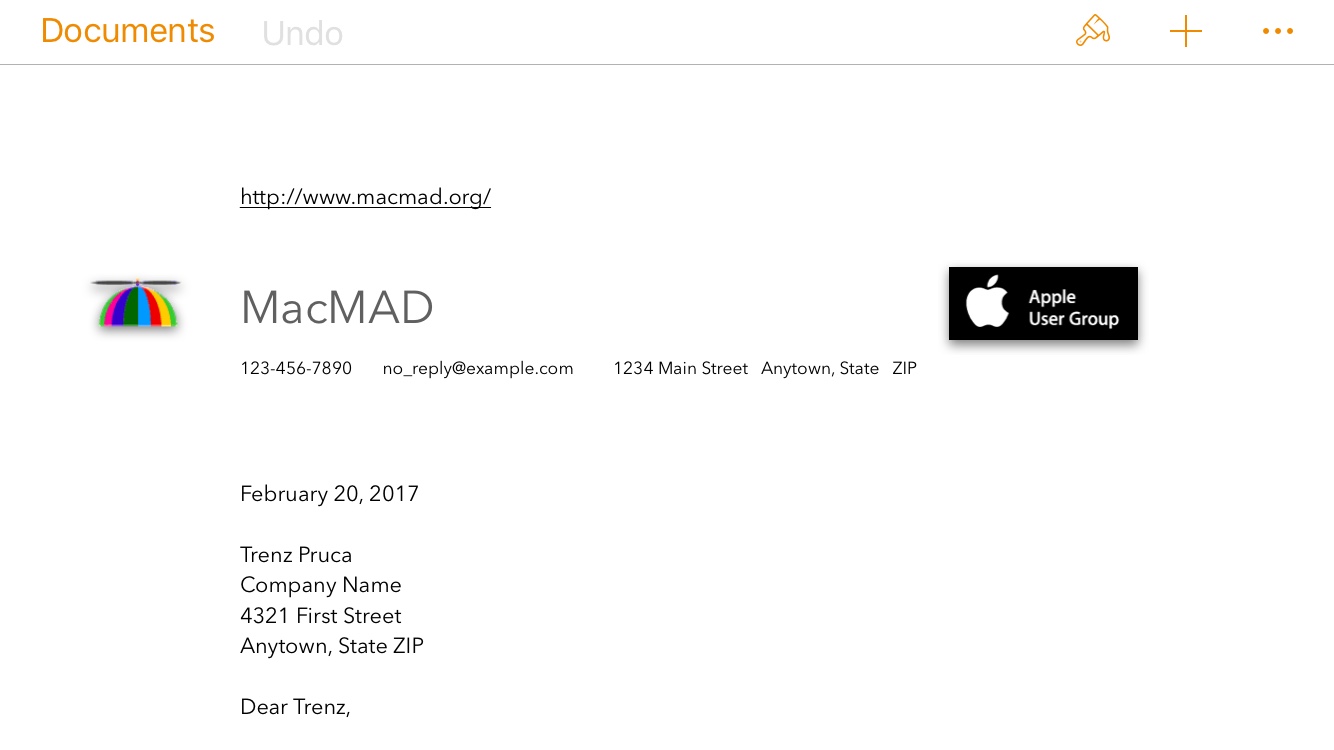
Pages Running on the iPhone
Pages �Running in a Browser from iCloud.com

How to Get Pages

Pages probably came with your Mac or iOS device, or get�Pages via the Mac App Store�($19.99),�or get�Pages via the iTunes App Store�($9.99).

Competition / Alternatives to �Pages

  • TextEdit – came with your Mac; Open Source; For simple tasks,�it does more than you think
  • Microsoft Word (Office) – For giant documents and giant companies (Now with iOS version)
  • Open Office – Free and Open Source Office suite
  • NeoOffice -�Commercialized version of Open Office customized for the Mac
  • GoogleDocs – Cloud-based, free


What Pages Does

Although Pages has a deceptively clean and simple design, it does a lot of things you might have expected�to need separate applications�for. Pages includes these functions:

  • Word Processing (obviously)
  • Page Layout
  • Spreadsheet
  • Charting
  • Photo Editing
  • Publishing
  • Collaboration Software

Integration with iCloud

Work on your document from all your devices.

Pages Has Two Document Types

All Pages documents are either:

  • Word Processing Documents, or
  • Page Layout Documents (have no body)

Word Processing documents have body text which is a continuous flow of text within the document. It may flow around images, tables, etc.

Page Layout documents have no body. All text in a page layout document exists as part of �something else: a text box, a shape, or a table.

Consistent Text Operations

Text can exist in:

  • The document body,
  • Text boxes
  • Shapes,
  • Tables,
  • The header and footer

All are treated consistently�as far as styles and formatting.

Shapes and Images

  • Wrap
  • Align
  • Resize
  • Rotate
  • Shapes can have text with the �usual attributes
  • Images can not have text
  • Shapes have adjustable opacity
  • Images have opacity and Instant Alpha
  • Opacity is the opposite of transparency
  • Alpha is�just�selective transparency – pixel-by-pixel

Import and Export

Import Microsoft Word Format

Export Your Document As:

  • PDF
  • ePub – for eBook readers like Kindle and iBook
  • Microsoft Word
  • Pages ’09 – For users of older versions of Pages

Learn More

http://www.apple.com/pages/

Pages 101 Tutorial Video with David A Cox�(YouTube) (no relation)


July 2016 Security & Backup Meeting Slides

We’re trying something a bit different this meeting. So you don’t have to take notes, we’re putting the presentation on-line. And we’re doing it the Apple Way – using iCloud. You should be able to view these links on Mac or iOS. They are Keynote documents.

Here are the slides for tonight’s meeting as a shared iCloud (Keynote) document.

And here are the slides from November 2015’s Security presentation.

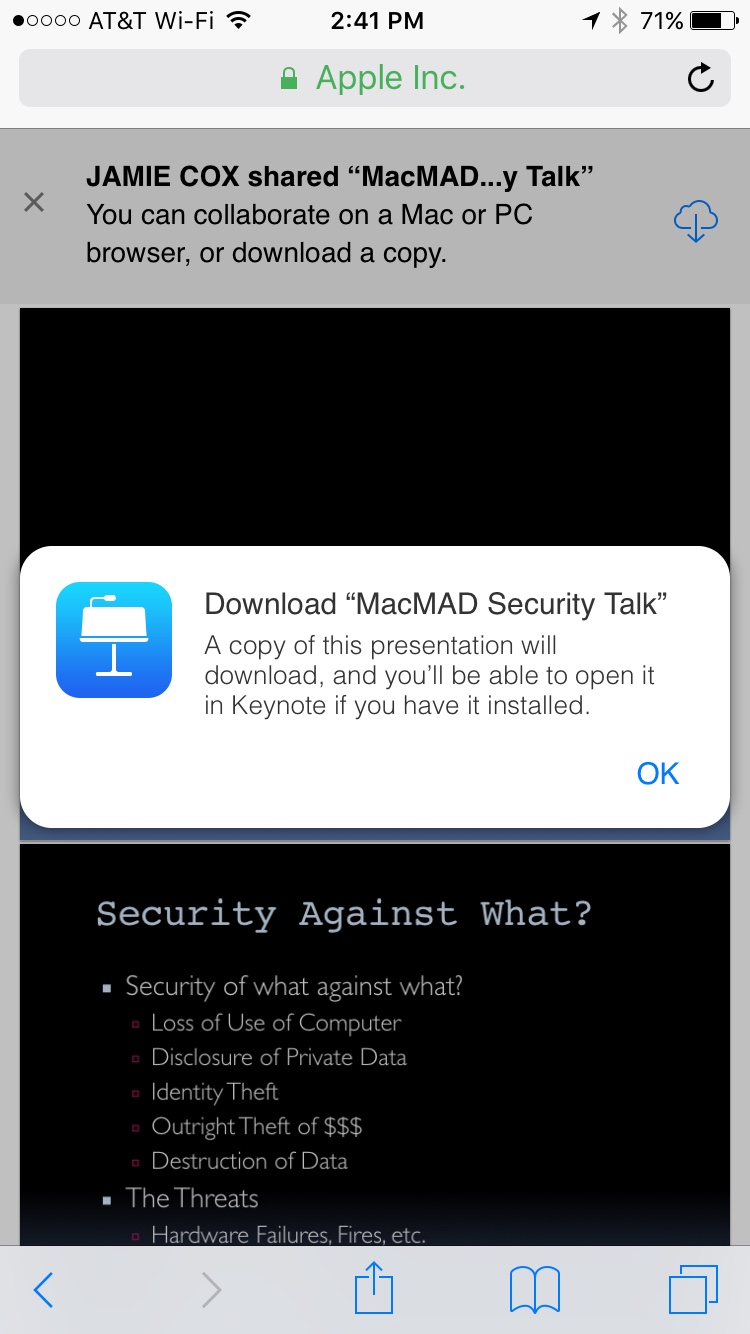
After clicking one of these links, you will be able to view the slides in your web browser, or you can download and open a copy in Keynote. Here’s what that looks like in iOS:

iCloud Share

MacMAD 30th Anniversary Event

MacMAD’s 30th Anniversary Event is history. It was fun to see some faces and equipment from the past. Naturally we ate dinner at San Remo Restaurant, haunt of MacMAD back in the 1980s and 1990s, and still good.

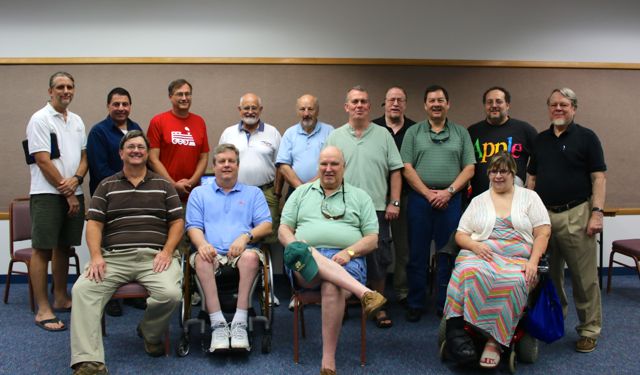
30th Anniversary Group Portrait
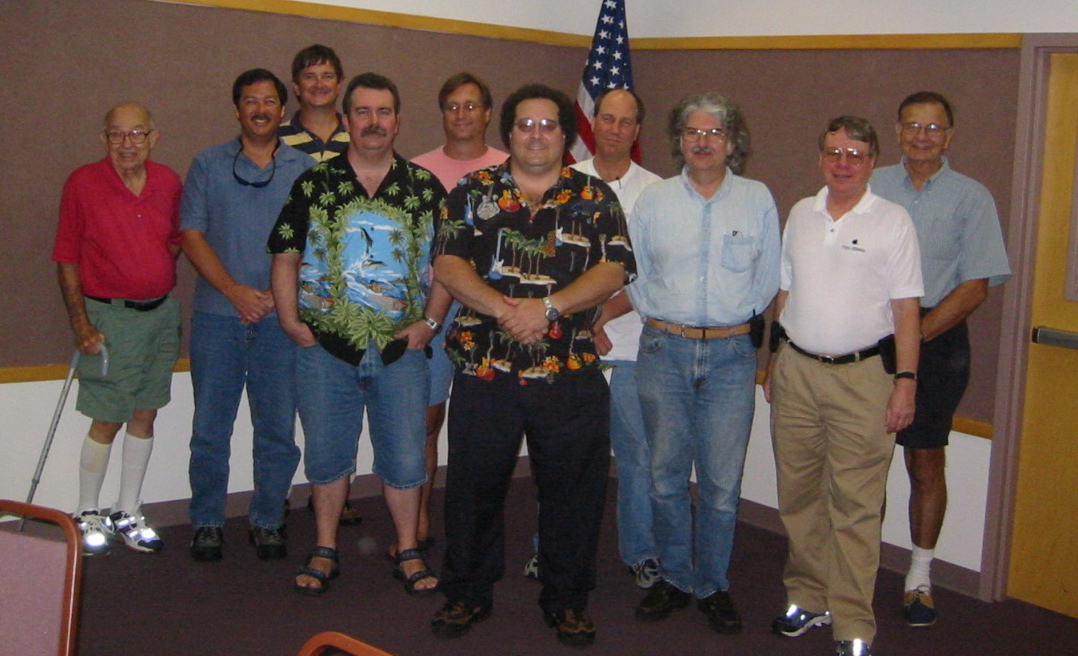
L to R, Seated: Jamie Cox, Eric Emerick, Dennis Crowley, Cher Daley L to R, Standing: John Sluder, Eb Farris, Bryan Kattwinkel, Denny Scott, Joe Harris, Steve Dagley, (?), Mike Williamson, Eric Newman, JR Staal.
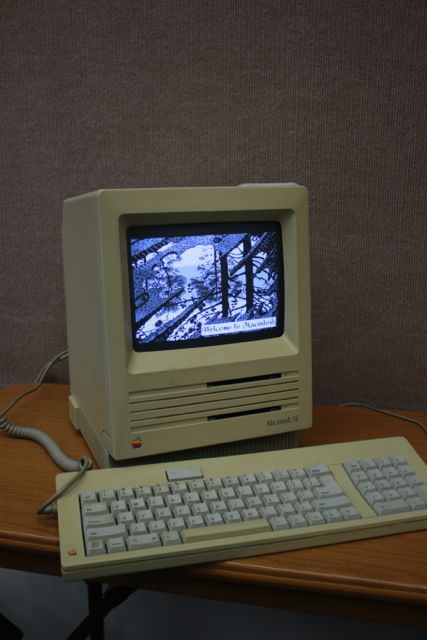
Macintosh SE
Bryan Kattwinkel’s Vintage Macintosh SE with dual floppy drives.


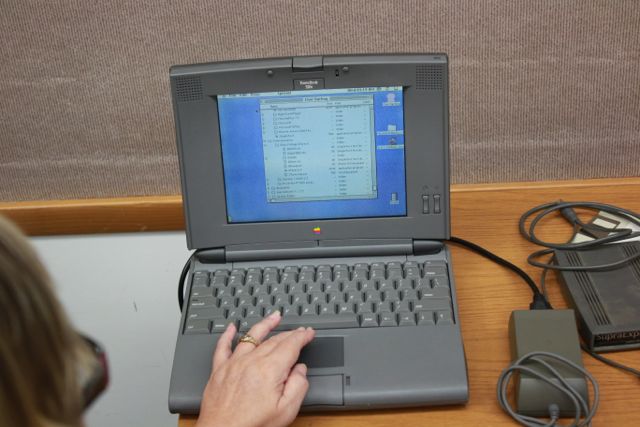
Vintage Color Mac Laptop
Vintage Color Mac Laptop via Cher Daley

MacMAD 30th Anniversary Oct 1st

MacMAD will have a 30th anniversary meet and greet on Wednesday, Oct 1st at the Eau Gallie Library at 6:30 PM. This replaces the usual help meeting at that time and place. Everyone who ever had any connection with MacMAD is invited to come by and say howdy. Some of us�who want to will go out to dinner afterwards — a 30 year tradition.

MacMad started in 1984, shortly after the Macintosh was released. For you youngsters, the Macintosh was not Apple’s first computer. The Apple I and II preceded it starting in the late 1970s.

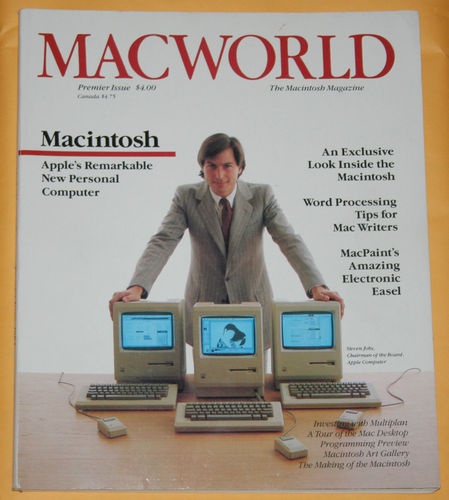
A young Steve Jobs with the first Macintosh.

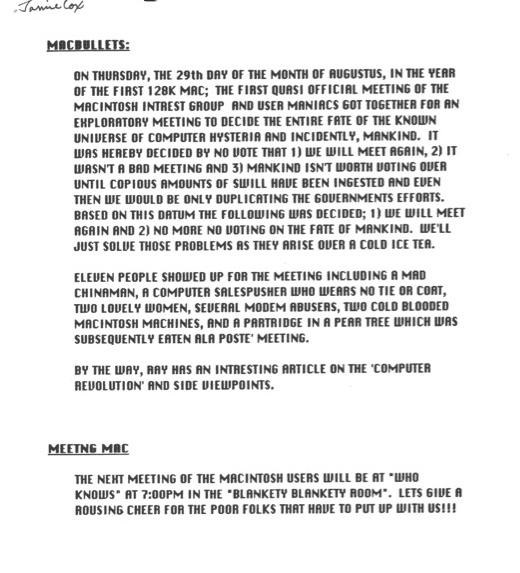
Below is the first MacMAD newsletter from August 1984. Anyone remember newsletters? We stopped publication after the internet made them pretty much obsolete. It’s interesting that the newsletter was already referring to the only Macintosh model as a “128K Mac” — indicating our obvious wish that a new model with more memory was forthcoming.

Unlike MacWorld, this was produced on a Macintosh. Why is it all uppercase? We don't know.
Unlike MacWorld, this was produced on a Macintosh. Why is it all uppercase? We still don’t know. The early Macintosh had lower case.

We had a 20th anniversary meeting in 2004, and a lot of the usual suspects showed up. We’d �like to do better this year. See you there.

A somewhat serendipitous gathering on our 20th anniversary.

March 2014 Meeting Summary

2014 MacMAD Election results:

  • President – JR Staal
  • Vice President – Jamie Cox
  • Treasurer – Eric Emerick
  • Secretary – Dennis Crowley

Miscellaneous Notes:

  • iOS 7.1 is out and working well for folks
  • Microsoft One Note is now free on the app stores (Mac and iOS)
  • press fn key twice quickly to open dictation on Mavericks – uses on-line speech to text (and yes, my (older) USB keyboard has NO fn key.)

Dan Wadler presented on Free Software

He showed us some perhaps lesser-known Mac freeware. All links current as of March 2014.

www.macupdate.com – a good place to look for software if you don’t know what apps are out there

Libre Office – A free office suite including Word processor, Spreadsheet, Presentation, Drawing and Database applications.

Stellarium – Cross-platform Planetarium software – see the stars and planets from your location and time – with modules and plug-ins. Yes, there’s an exoplanets plug-in.

Celestia – Real-time 3D visualization of space

Tide Widget – tide forecasts for your location – in a Dashboard widget

Album Artwork Assistant – Helps find Cover Artwork for iTunes

VLC Media Player – plays video in a great variety of digital formats

MacTubes – Play and download YouTube videos

MacTracker – detailed specifications for everything Apple Computer ever made

The Unarchiver – quick and easy app to open many different archive file types: zip, Tar etc.

Free Browsers: Chrome, Firefox, Opera, Dolphin (iOS), Mercury (iOS), Omniweb

Free Cloud Storage sites: Dropbox, Copy and Box.

Calibre – eBook manager

Sophos – Free Antivirus. Also, ClamX AV free antivirus.

Chess Knight – not overly tough computer chess game

Free Password managers: KeePass and LastPass.


February Meeting Summary

Club elections will be next month in March – round up the usual suspects.

Upcoming meeting topic suggestions mentioned

  • Web Design Tools
  • Synchronizing folders, drives and computers
  • Looking for guest presenters
  • Video Production

The Mac OS features Spaces and Expos� were combined into Mission Control in 10.8, Mountain Lion. These tools are all about managing your multiple desktops and open windows.

Products Mentioned in the Meeting

Dinner after the meeting was at Steak and Shake.